

Preparing for a Psychedelic Journey
Preparation Matters
Psychedelic experiences can be powerful, emotionally complex, and sometimes destabilizing. Preparation helps people enter these experiences with greater awareness, safety, and support.
Preparation is not about controlling the experience or guaranteeing a particular outcome. Psychedelic experiences are inherently unpredictable.
Instead, preparation helps people:
• clarify intentions
• assess psychological readiness
• create supportive conditions
• reduce unnecessary risks
• plan for integration afterward
Responsible preparation is one of the most important factors influencing whether a psychedelic experience becomes meaningful, overwhelming, or harmful.

Psychedelics Are Not a Magic Cure
Psychedelics are sometimes misunderstood as quick fixes for complex psychological suffering.
Current research does not support the idea that a single psychedelic experience permanently resolves mental health conditions or “rewires the brain” in a lasting way on its own.
Psychedelics may open access to non-ordinary states of consciousness that alter perception, emotion, memory, and meaning. These experiences can sometimes create new perspectives or insights.
But what determines whether these experiences lead to healing is how they are prepared for, supported, and integrated over time.
As researcher Dr. Rosalind Watts often explains:
“Psychedelics may open the door — but you still have to walk through it.”
Reflecting on Your Intention
Before embarking on a psychedelic experience, it can be helpful to reflect on why you are drawn to this work.
Questions to consider include:
• Why am I seeking this experience now?
• Am I looking for healing, insight, curiosity, or escape?
• What emotional or psychological themes are present in my life right now?
• What would I hope to understand or explore?
Intentions are not goals that must be achieved. They simply help orient attention and awareness.
Many people find it helpful to write intentions in a journal before an experience.
Psychological Readiness
Psychedelic experiences can amplify emotional states, memories, and unresolved psychological material.
For that reason, it is important to consider:
• current mental health stability
• major life stressors or crises
• emotional support systems
• whether there are time and space afterward to process the experience
Entering a psychedelic experience during periods of extreme stress, instability, or crisis may increase the likelihood of overwhelming experiences.
Preparation helps people evaluate whether now is the right time.

Set, Setting & Support
Three factors strongly influence psychedelic experiences: set, setting, and support.
Set refers to the mindset someone brings into the experience — their expectations, emotional state, and psychological preparation.
Setting refers to the physical and social environment where the experience takes place.
Support refers to the presence of trusted people who can help ensure safety and emotional containment.
Important preparation questions include:
• Where will the experience take place?
• Who will be present?
• Is the environment safe, comfortable, and quiet?
• Will there be a trusted sitter, guide, or professional support person?
• Is there a plan for follow-up afterward?
Small details can make a significant difference.
Many people prepare items such as:
• comfortable clothing and blankets
• an eye mask for inward focus
• music playlists downloaded ahead of time
• water and light food
• a quiet, safe environment free from interruptions
Avoid driving, swimming, or using sharp objects during psychedelic experiences.
Preparing for Medicalized Ketamine Treatments
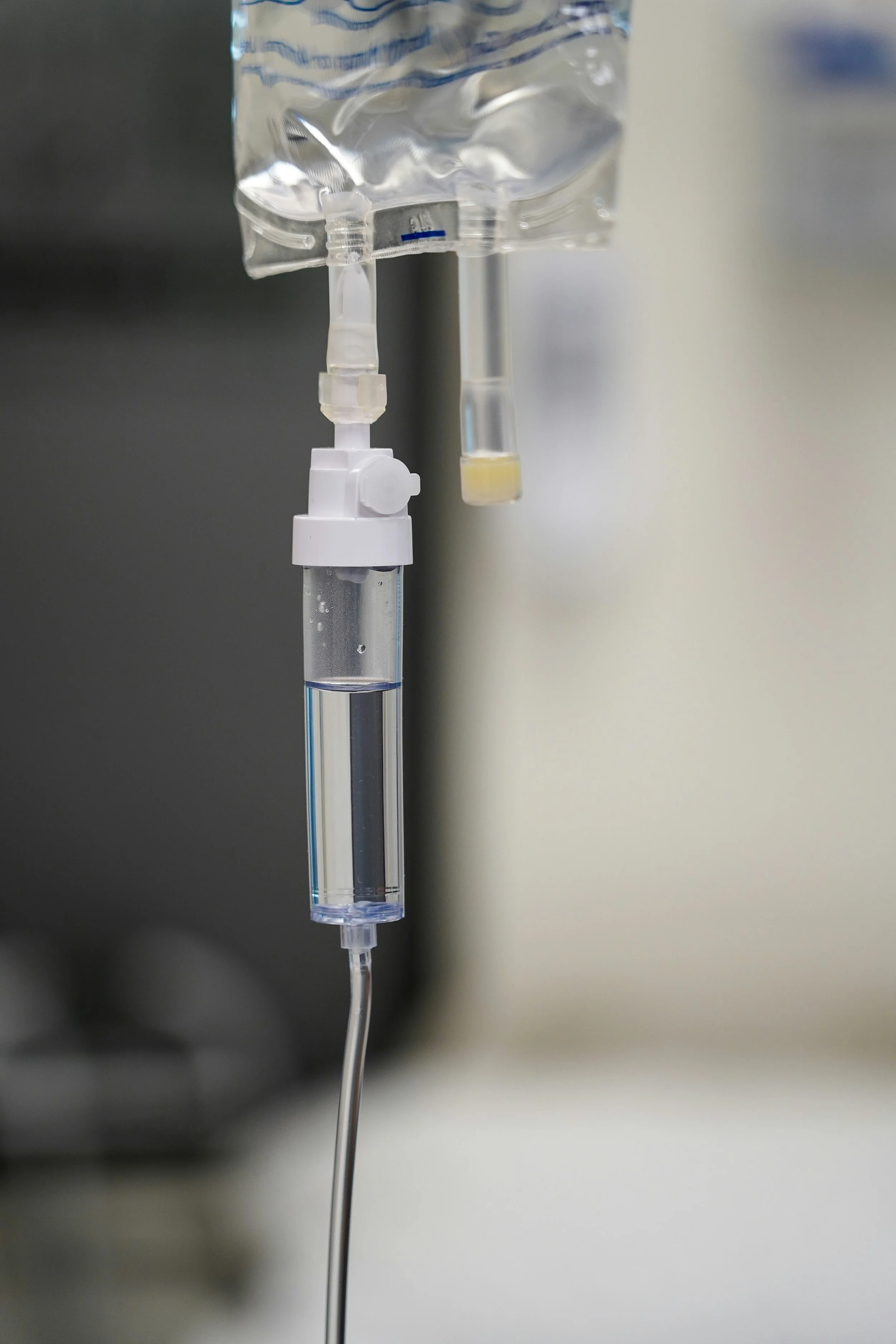
Ketamine therapy is increasingly offered in medical clinics across the United States. These clinics are often run by anesthesiologists or nurse anesthetists.
If you are considering ketamine treatment, responsible preparation includes:
• meeting the provider beforehand
• receiving a full explanation of the treatment process
• asking questions about safety and monitoring
• understanding how the medication is administered
A preparation session should always occur before the first treatment.
Some practices that can improve the experience include:
• bringing an eye mask
• bringing headphones and music
• downloading playlists ahead of time
• arranging transportation home after treatment
• scheduling integration support beforehand
Ketamine treatments often last around 40–60 minutes depending on the protocol.
Even though the experience occurs in a medical environment, preparation and integration remain essential.
Preparing the Mind
Many people find it helpful to engage in gentle preparation practices in the days leading up to a journey.
Examples include:
• journaling
• meditation or mindfulness
• time in nature
• limiting overstimulation and alcohol
• reflecting on intentions
Some clinical psychedelic research studies use a guided visualization created by Dr. Rosalind Watts called the Pearl Dive meditation to help participants prepare mentally for their experience.
You can listen to the Pearl Dive preparation meditation here:
Who Should Avoid Psychedelics or Use Extreme Caution
Psychedelics are not appropriate for everyone.
Extreme caution or avoidance is recommended for individuals who:
• have a personal or family history of psychotic disorders
• have a history of bipolar I disorder or unmanaged mania
• have certain cardiovascular conditions
• are pregnant or breastfeeding
• are immunocompromised
• are currently in acute psychological crisis
Medication interactions and substance use history may also increase risk.
Consultation with qualified medical or mental health professionals is strongly recommended before pursuing psychedelic experiences.
Planning for Integration
Preparation should always include a plan for integration afterward.
Psychedelic experiences can bring up unexpected memories, insights, or emotions that require time and support to process.
Before the experience, consider:
• who you will talk to afterward
• whether you have access to integration support
• how you will make space for reflection and rest
Healing does not occur during the psychedelic experience alone. It unfolds gradually through the process of integration.