

Diversity, Equity & Inclusion
Healing Happens in Social Context
Mental health and healing do not occur in isolation from the social systems people live within.
Experiences of trauma, discrimination, marginalization, and social exclusion can deeply affect mental health, access to care, and the ways people experience healing environments.
Creating responsible psychedelic and mental health spaces requires awareness of these realities and an ongoing commitment to equity and inclusion.
Inequities in Mental Health & Psychedelic Access
Access to mental health care and emerging psychedelic therapies is not equal.
Historical and ongoing systems of inequality continue to influence who receives care, who feels safe seeking support, and who is represented in research and clinical models.
Communities that often face barriers to safe care include:
• Black, Indigenous, and other communities of color
• LGBTQIA+ individuals
• people with disabilities
• neurodivergent individuals
• individuals with lower income or limited healthcare access
Addressing these inequities requires intentional effort to create safer, more inclusive systems of care.
Intersectionality & Lived Experience
People experience the world through multiple overlapping identities.
Race, gender identity, sexual orientation, socioeconomic status, ability, culture, and life experience all shape how individuals move through healthcare systems and healing spaces.
This is often referred to as intersectionality — the understanding that different aspects of identity interact and can intensify experiences of harm or exclusion.
Listening to lived experience is an essential part of building more inclusive and responsive healing environments.
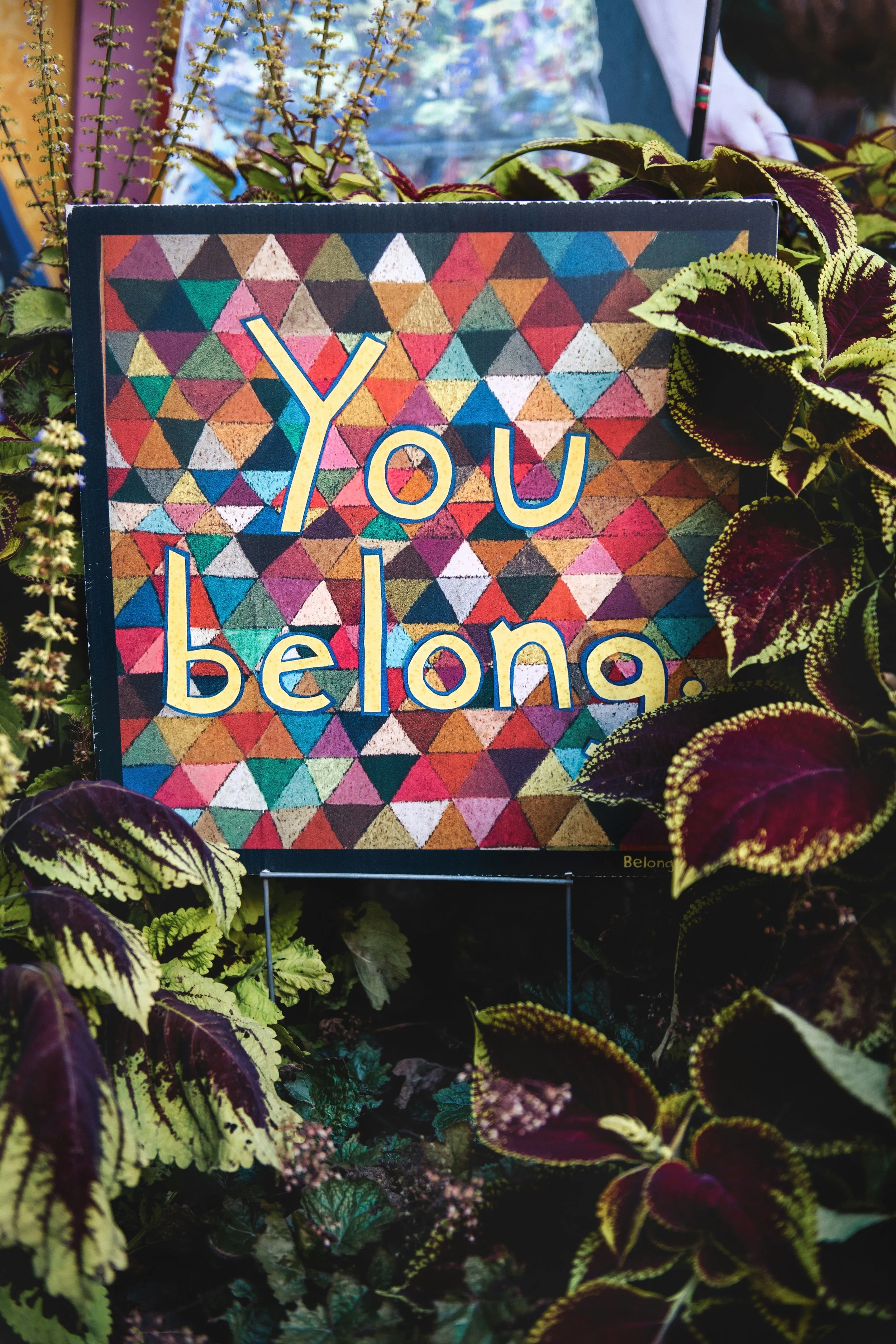
Inclusive Healing Spaces
Creating inclusive spaces requires more than statements of support. It requires ongoing practice and accountability.
Inclusive environments prioritize:
• respect for diverse identities and lived experiences
• awareness of implicit bias and microaggressions
• language that honors people's identities
• psychological safety and belonging
• openness to feedback and continued learning
Inclusion is not a one-time achievement — it is an ongoing process.
Gender Identity & Sexual Orientation
Respecting gender identity and sexual orientation is an important part of creating safe healing environments.
Key concepts include:
Sex
The biological classification typically assigned at birth (male, female, or intersex).
Gender Identity
A person’s internal understanding of their gender, which may or may not align with sex assigned at birth.
Gender Expression
How someone communicates their gender through clothing, appearance, or behavior.
Sexual Orientation
A person’s emotional, romantic, or sexual attraction to others.
Respecting individuals' names, pronouns, identities, and experiences contributes to safer and more inclusive spaces for everyone.

Addressing Microaggressions
Microaggressions are subtle comments, behaviors, or assumptions that communicate exclusion or bias toward marginalized groups. They often occur unintentionally but can still cause harm.
When microaggressions occur, responsible response includes:
• acknowledging the impact
• listening rather than becoming defensive
• apologizing when appropriate
• learning and adjusting behavior moving forward
Addressing these moments helps build cultures of accountability and respect.
Allyship & Responsibility
Allyship involves actively supporting and advocating for communities that experience marginalization.
Being an ally may include:
• educating oneself about systemic inequality
• listening to marginalized voices
• speaking up when harmful behavior occurs
• helping create safer and more inclusive environments
Building equitable systems of care requires participation from everyone.
A Continuing Practice
Equity and inclusion are not endpoints. They are ongoing commitments.
LMNOP3 seeks to cultivate spaces that value dignity, respect, and belonging for people of diverse identities and experiences.
Creating equitable healing environments requires curiosity, humility, and a willingness to continue learning.