
Mescaline
Overview
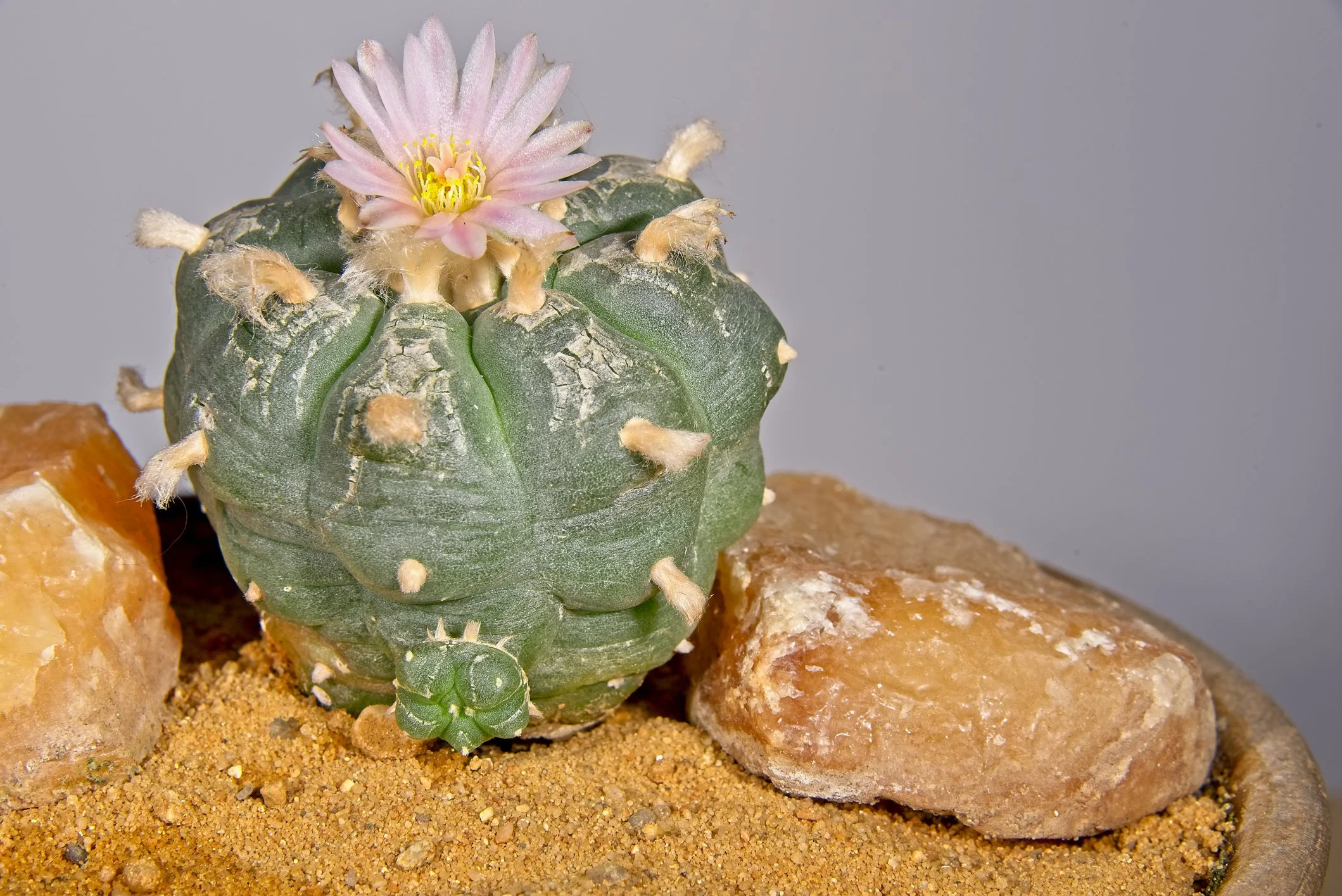
Mescaline is a naturally occurring psychedelic compound found in several cactus species. It is responsible for the psychoactive effects associated with plants such as peyote (Lophophora williamsii), as well as other mescaline-containing cacti including San Pedro and Peruvian Torch.
While mescaline is the active compound, peyote itself holds deep cultural, spiritual, and ceremonial significance and must be understood separately from mescaline as a chemical substance.
Cultural & Ethical Context
Peyote has been used ceremonially for thousands of years by Indigenous peoples of North America and remains a sacred medicine within traditions such as those of the Native American Church.
Peyote is slow-growing and increasingly threatened. Use outside of protected ceremonial contexts raises serious ethical concerns related to cultural appropriation, ecological harm, and Indigenous sovereignty.
Ethical engagement requires distinguishing between:
Mescaline as a compound, and
Peyote as a sacred, culturally protected plant
Psychological & Experiential Impact
Mescaline is considered a classic psychedelic. Reported effects may include:
Altered perception of time and space
Visual or sensory changes
Heightened emotional awareness
Increased introspection
Shifts in meaning or worldview
Mescaline experiences often unfold gradually and can last many hours. Experiences may feel expansive, challenging, or emotionally intense.
Intensity alone does not determine benefit. Context, support, and integration are essential.
Potential Risks & Considerations
While mescaline is often described as physiologically low-risk in traditional contexts, psychological risks remain, particularly without adequate screening and support.
Potential concerns include:
Anxiety or emotional distress
Disorientation or impaired judgment
Physical discomfort (such as nausea)
Exacerbation of underlying mental health conditions
Risk increases when cultural context, preparation, and integration are absent.
Legal Status (U.S.)
Mescaline is classified as a Schedule I substance under U.S. federal law.
Peyote use is legally protected only for members of federally recognized tribes participating in specific religious ceremonies. Outside of these contexts, peyote and mescaline remain illegal.
Legal status varies internationally, and individuals are responsible for understanding and complying with local laws.
Our Perspective
Mescaline-containing plants have played a meaningful role in human healing traditions. At the same time, peyote is not a wellness product and should not be treated as one.
We believe responsible engagement requires:
Respect for Indigenous sovereignty
Clear ethical boundaries
Ecological stewardship
Trauma-informed integration support
Psychedelic healing that ignores cultural context risks perpetuating harm.
Integration Matters
Mescaline experiences may generate emotional insight or shifts in perspective. Long-term benefit depends on how these experiences are processed and integrated into daily life.
Integration support helps individuals:
Reflect without rushing interpretation
Ground insight into sustainable change
Avoid spiritual bypass or over-identification
Recognize when additional support is needed