
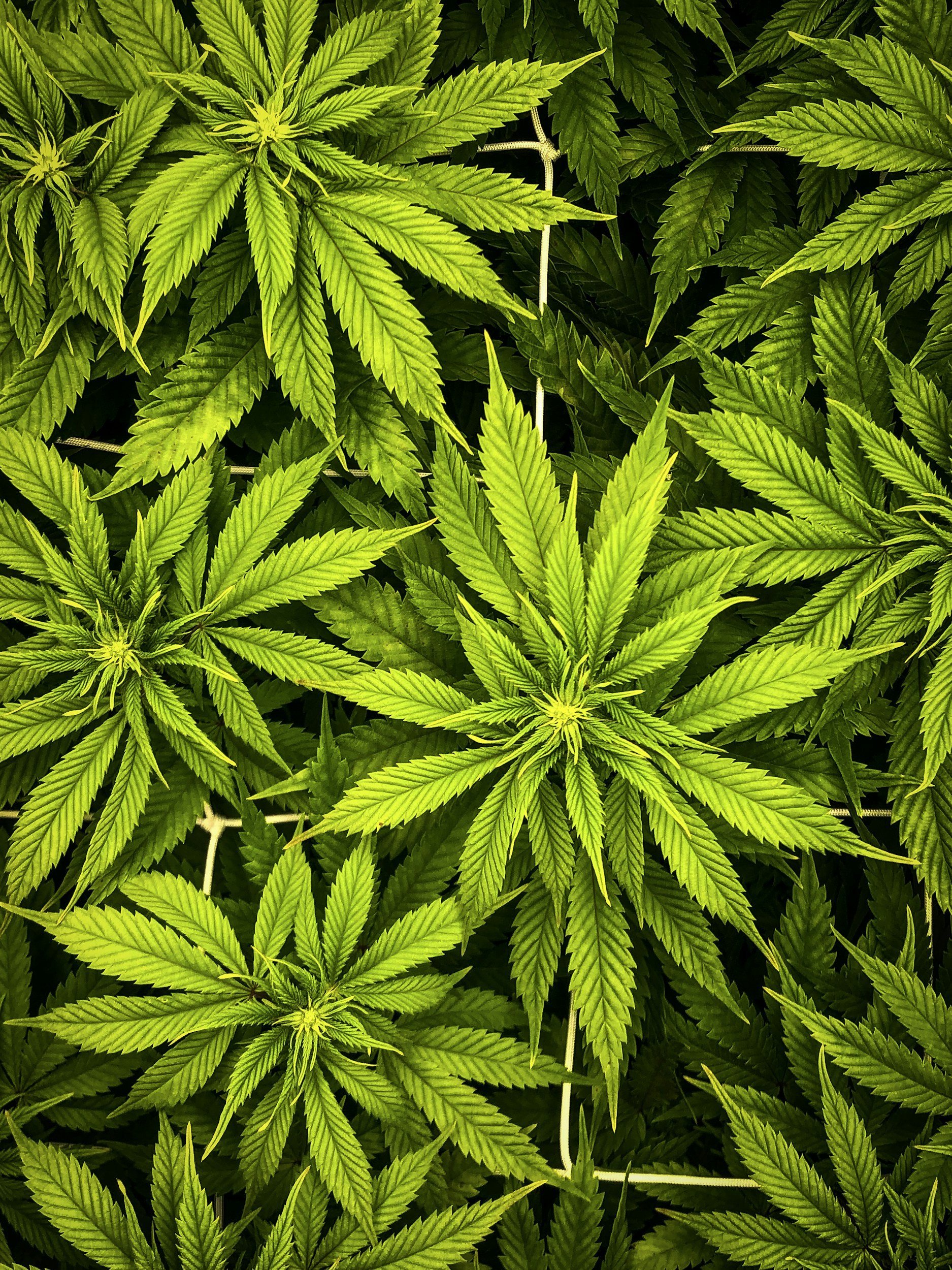
Cannabis
Overview
Cannabis is a psychoactive plant that has been used for medicinal, spiritual, and therapeutic purposes across cultures for thousands of years. It contains many active compounds, including cannabinoids such as THC and CBD, which interact with the body’s endocannabinoid system — a system involved in mood regulation, stress response, pain, sleep, and memory.
Cannabis can alter perception, emotion, and bodily awareness, with effects that vary widely depending on individual physiology, context, and formulation.
Therapeutic Contexts & Uses
Cannabis has been explored for a range of therapeutic and supportive uses, both medically and psychologically. Areas where cannabis has been studied or utilized include:
Chronic pain and inflammation
Anxiety and stress-related conditions
Post-traumatic stress symptoms
Sleep disturbances
Appetite stimulation
Nausea related to medical treatments
It is important to note that responses to cannabis vary significantly. For some individuals, cannabis may reduce anxiety or support emotional regulation; for others, it may increase anxiety, dissociation, or dysregulation.
Cannabis-Assisted Therapy
Cannabis-assisted therapy refers to the intentional use of cannabis within a therapeutic or integrative context, often alongside psychotherapy or guided support.
In these settings, cannabis may be used to:
Increase body awareness or emotional access
Reduce defensive or avoidant patterns
Support introspection and self-reflection
Enhance present-moment awareness
Cannabis-assisted therapy emphasizes intention, pacing, and integration, rather than symptom suppression or escape. The cannabis itself is not the therapy — the therapeutic relationship, structure, and integration process are what shape outcomes.
Subjective Effects & Psychological Impact
Reported effects of cannabis may include:
Relaxation or sedation
Heightened sensory awareness
Changes in perception or time sense
Increased emotional sensitivity
Altered thought patterns or insight
Effects can be subtle or pronounced and may shift depending on dose, formulation, and context. Experiences may feel supportive, neutral, or challenging.
As with other psychoactive substances, intensity does not equal healing. Meaning-making and integration matter.
Potential Risks & Considerations
Cannabis is often perceived as low-risk, but it is not benign for everyone. Potential challenges include:
Increased anxiety or panic
Paranoia or intrusive thoughts
Impaired concentration or memory
Emotional numbing or avoidance
Risk of dependence with frequent use
Cannabis may exacerbate symptoms for individuals with certain mental health conditions, particularly those involving psychosis, severe anxiety, or dissociation.
Careful screening, intentional use, and therapeutic support are essential.
Legal Status (U.S.)
Cannabis legality varies by state and jurisdiction. While medical and adult-use cannabis is legal in some states, it remains illegal under U.S. federal law.
Cannabis-assisted therapy operates within complex and evolving legal frameworks. Individuals and providers are responsible for understanding and complying with local laws and regulations.
Our Perspective
Cannabis can be a supportive tool — or a destabilizing one — depending on how, why, and in what context it is used.
We believe cannabis should be approached with the same principles applied to other psychoactive substances:
Intention rather than habit
Support rather than isolation
Awareness rather than avoidance
Integration rather than reliance
Responsible care prioritizes education, self-awareness, and ongoing reflection.
Integration Matters
Cannabis experiences — whether subtle or profound — can surface emotional material, patterns, or insights. Without integration, these experiences may remain transient or contribute to avoidance rather than growth.
Integration support helps individuals:
Understand their relationship to cannabis
Clarify intention and boundaries
Translate insight into behavior change
Identify when use is supportive versus when it is not