
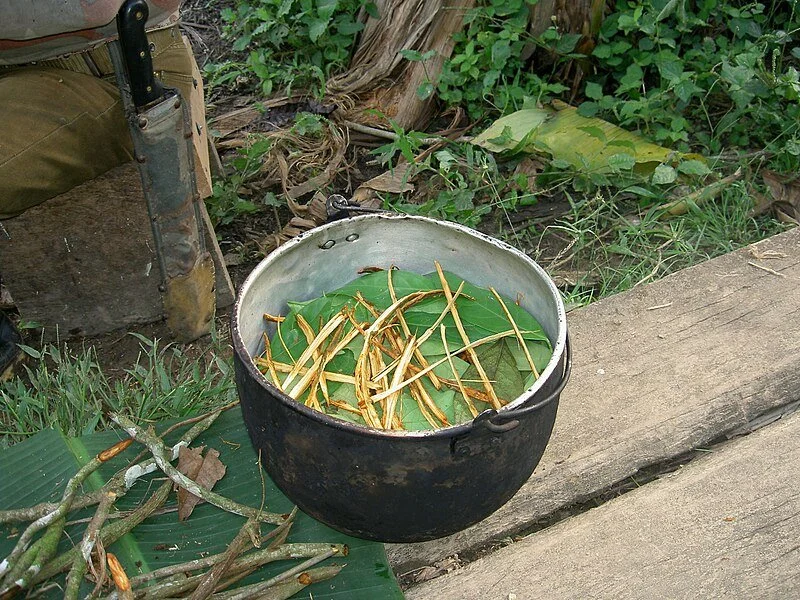
Ayahuasca
Overview
Ayahuasca is a traditional Amazonian ceremonial brew that combines plant components containing DMT with plants that inhibit its breakdown in the body. Together, these compounds produce a prolonged altered state of consciousness that has been used for centuries by Indigenous communities for healing, spiritual, and communal purposes.
Ayahuasca is not a single substance but a relational practice — involving plants, ritual context, cultural lineage, and community structure. Effects are typically intense, long-lasting, and emotionally and somatically immersive.
Cultural & Historical Context
Ayahuasca originates from Indigenous traditions of the Amazon basin, where it has been used within specific cultural, spiritual, and ecological frameworks. These traditions emphasize lineage, apprenticeship, ritual containment, and community responsibility.
As global interest in ayahuasca has increased, it has also raised important questions about cultural appropriation, ethical facilitation, ecological sustainability, and participant safety.
Respect for origin cultures and responsible stewardship are essential.
Psychological & Experiential Impact
Ayahuasca experiences are often described as deeply immersive and emotionally intense. Reported effects may include:
Heightened emotional and somatic awareness
Vivid imagery or symbolic experiences
Intense memory recall
Shifts in identity, meaning, or worldview
Strong physical sensations, including nausea or purging
Experiences may involve fear, grief, insight, or relief — sometimes within the same session. Intensity alone does not determine benefit. Integration and support are critical.
Potential Risks & Considerations
Ayahuasca carries significant psychological and medical risks, particularly without careful screening and support. Potential concerns include:
Emotional destabilization or overwhelm
Exacerbation of trauma symptoms
Interaction with medications (especially antidepressants and other serotonergic drugs)
Cardiovascular or neurological risk for certain individuals
Psychological distress that persists after the experience
Ayahuasca is not appropriate for everyone, particularly individuals with certain psychiatric conditions, medical contraindications, or limited integration support.
Preparation, screening, and aftercare are protective — not optional.
Legal Status (U.S.)
Ayahuasca’s legal status is complex and varies by context. In the United States, certain religious organizations have received limited legal exemptions for ceremonial use. Outside of these contexts, ayahuasca and its active compounds are generally illegal under federal law.
Legal status varies internationally, and individuals are responsible for understanding and complying with local laws.
Our Perspective
Ayahuasca is often framed as inherently healing. We do not share that assumption.
Ayahuasca can surface profound psychological material — but without ethical facilitation, cultural humility, medical screening, and long-term integration, it can also cause harm.
Responsible engagement requires:
Respect for Indigenous origins
Careful participant screening
Trauma-informed support
Clear ethical boundaries
Ongoing integration after the experience
Integration Matters
Ayahuasca experiences often generate powerful insights, emotional release, or shifts in perspective. Without integration, these experiences may feel confusing, overwhelming, or difficult to translate into daily life.
Integration support helps individuals:
Regulate emotional and nervous system responses
Make meaning without rushing interpretation
Ground insight into sustainable change
Identify when additional support is needed
Integration is especially important given the intensity and duration of ayahuasca experiences.